Minimally-invasive laser and endoscopic back surgery in Croatia, Europe
Mr. ROBERT SAFTIC, neurosurgeon and pioneer in minimally-invasive spinal surgery in Croatia and south-eastern Europe. Special interests include minimally-invasive spinal surgery with philosophy of choosing most effective and least invasive methods of treating spinal disorders and diagnosis of pain in low back, neck, legs and arms. Internationally accepted and known expert in field of laser, METRx and endoscopic spine surgery which is proved by invitations to all leading spinal congresses and by publishing results in medical journals.
Endoscopic spine surgery
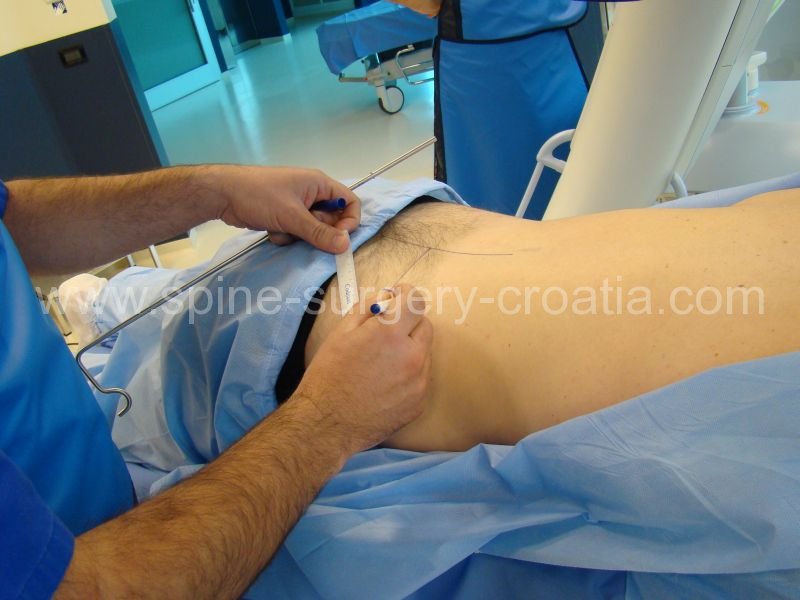
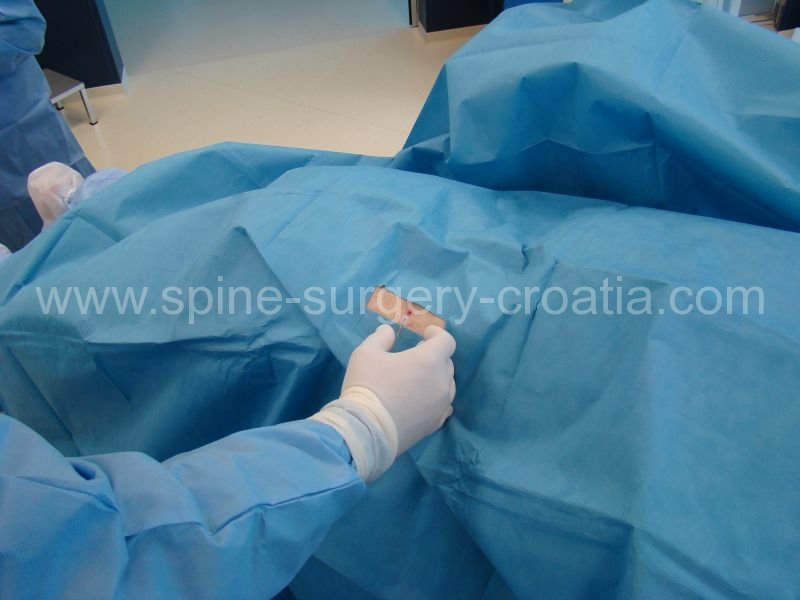
Our surgeons are truly at the leading edge of minimally invasive spine surgery. In other clinics or hospitals, many spinal surgeries are still done traditionally, requiring long incisions and lengthy recoveries. Here, at the Vertebris International Spine Hospital, the majority of spine surgeries are done through a few tiny cuts (0.7mm). Patients suffer much less pain and are back to their normal activities in a few days to weeks, depending on the surgery. With open surgery, recovery can take months to a year in some cases.
Do not be misled by other hospitals or clinics offering so called less-invasive spinal surgery using scalpel and microscope. This surgeries are traditional open surgeries with significant risks and longer recovery period.
Benefits of endoscopic spine surgery
Smaller incision(s)
No blood loss
Sooner return to work and daily activities
No trauma to healthy tissue
No muscle damage
No general anesthesia
Less cost for patient and for system
No hospital stay
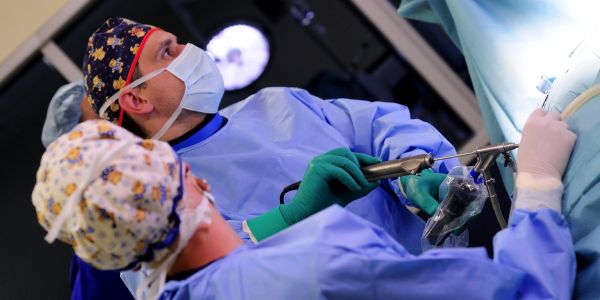
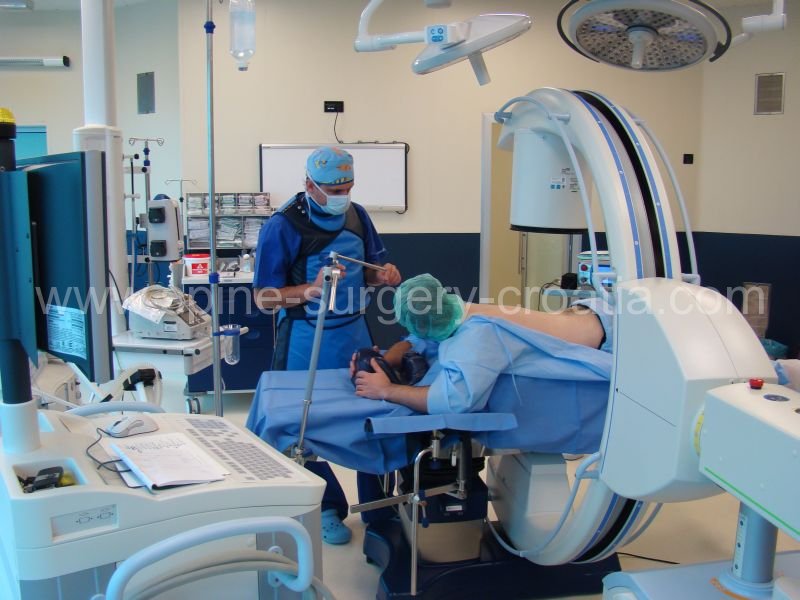
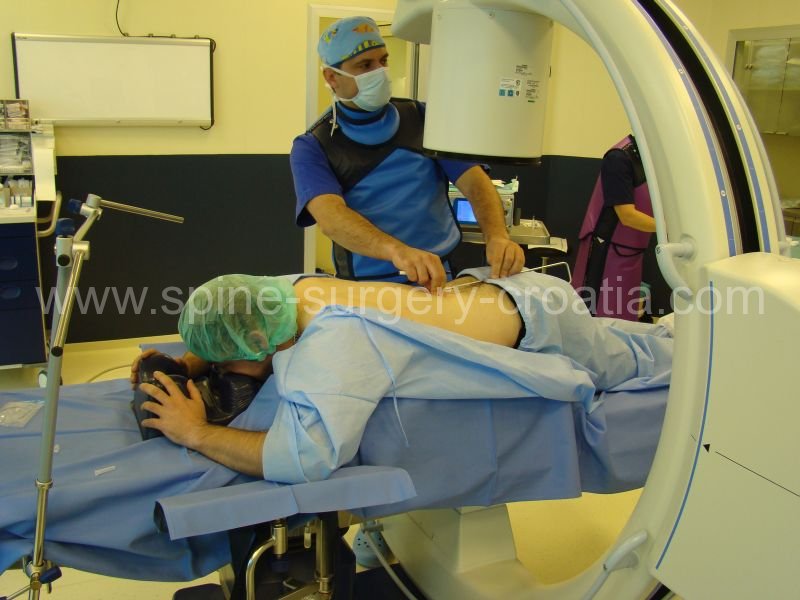
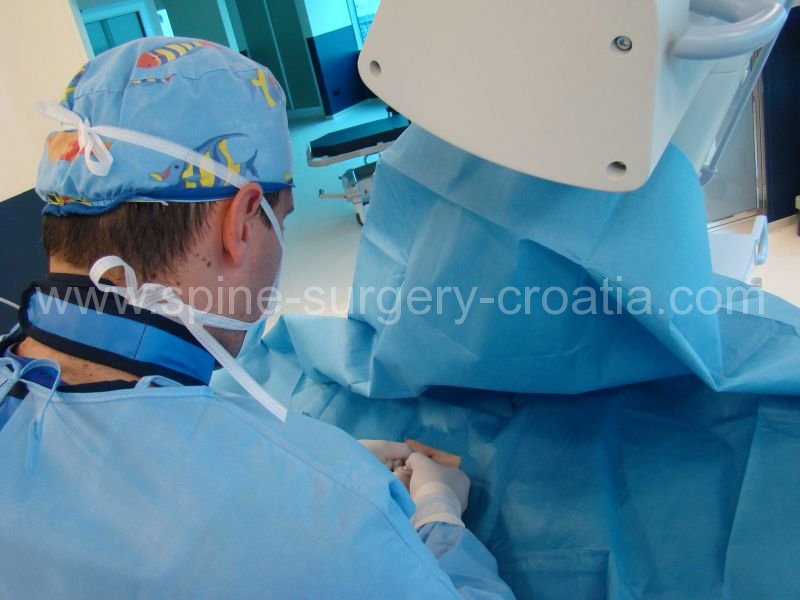
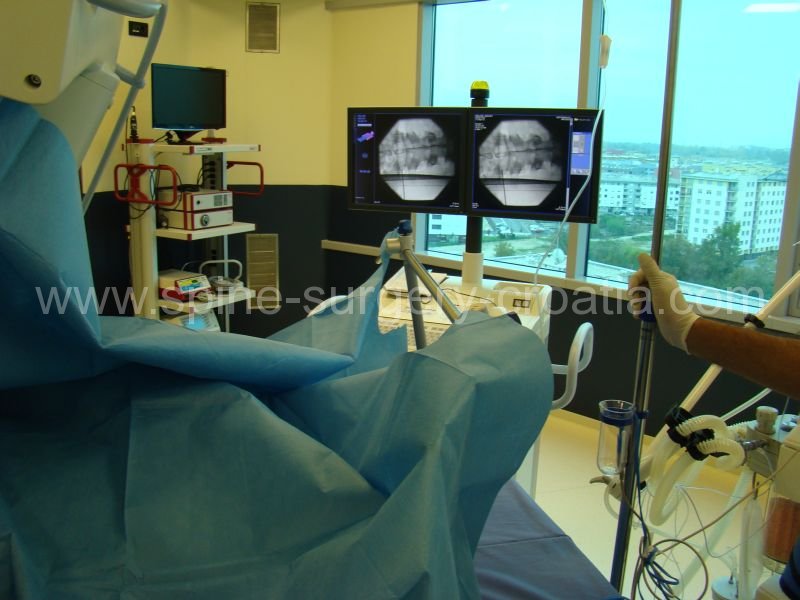
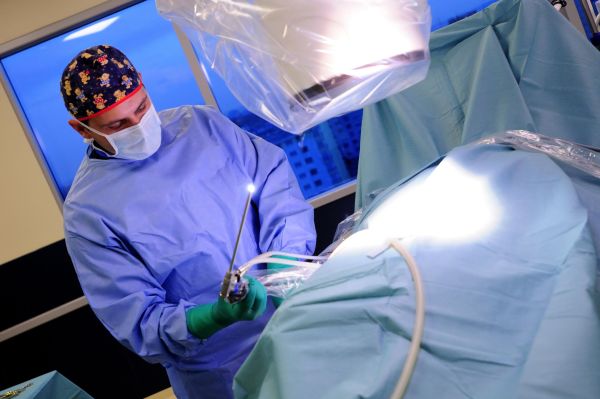
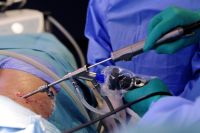
Here in Vertebris International Spine Hospital, we have state of the art endoscopic equipment and instrumentation produced by world leading Richard Wolf company. During an endoscopic procedure, the surgeon places the needle and the first tube into a small incision. A series of tubes of increasing size are placed over this first tube, one at a time, to slowly create the opening to the spine. That means we can perform spine procedures with minimal damage to the surrounding muscles. The muscles are pushed out of the way and are not torn or cut. The last tube is about 7 millimeters in diameter and through this translucent, working tube we can insert the lasers, cameras, suction, irrigation and other surgical instruments. Once everything is in place, the surgeon can begin removing the bone and tissue that is compressing the nerve.
Minimally-invasive procedures we can perform trough the endoscope:

 Our surgeons are truly at the leading edge of minimally invasive spine surgery. In other clinics or hospitals, many spinal surgeries are still done traditionally, requiring long incisions and lengthy recoveries. Here, at the Vertebris International Spine Hospital, the majority of spine surgeries are done through a few tiny cuts (0.7mm). Patients suffer much less pain and are back to their normal activities in a few days to weeks, depending on the surgery. With open surgery, recovery can take months to a year in some cases.